





Reduce Manual Data Processing Tasks
When the integration provides automated banking information retrieval, with API-based access, this can help minimise the need to download and transfer banking data manually.

Open banking in Australia gives eligible businesses and consumers new options and opportunities to share financial data through authorised digital platforms. DHRP supports businesses to investigate banking integration solutions, such as its Dynamics 365 Banking Connector.
Open Banking · DHRP
Open banking in Australia lets consumers securely and consistently access and share certain financial information with selected organisations. This process is regulated by the Consumer Data Right (CDR) Australia framework, which provides guidelines for consent, access to data and participating organisations.
The open banking system in Australia provides opportunities to leverage financial data that has been shared with other applications for financial management, reporting and more. Open banking data sharing gives access to data, and applicable rules and permissions will depend on the provider, type of data and purpose.
Permitted financial data
Financial workflows

For businesses running Microsoft Dynamics 365 Finance, banking integrations could be advantageous in reducing manual processes for accessing bank information and generating statements.
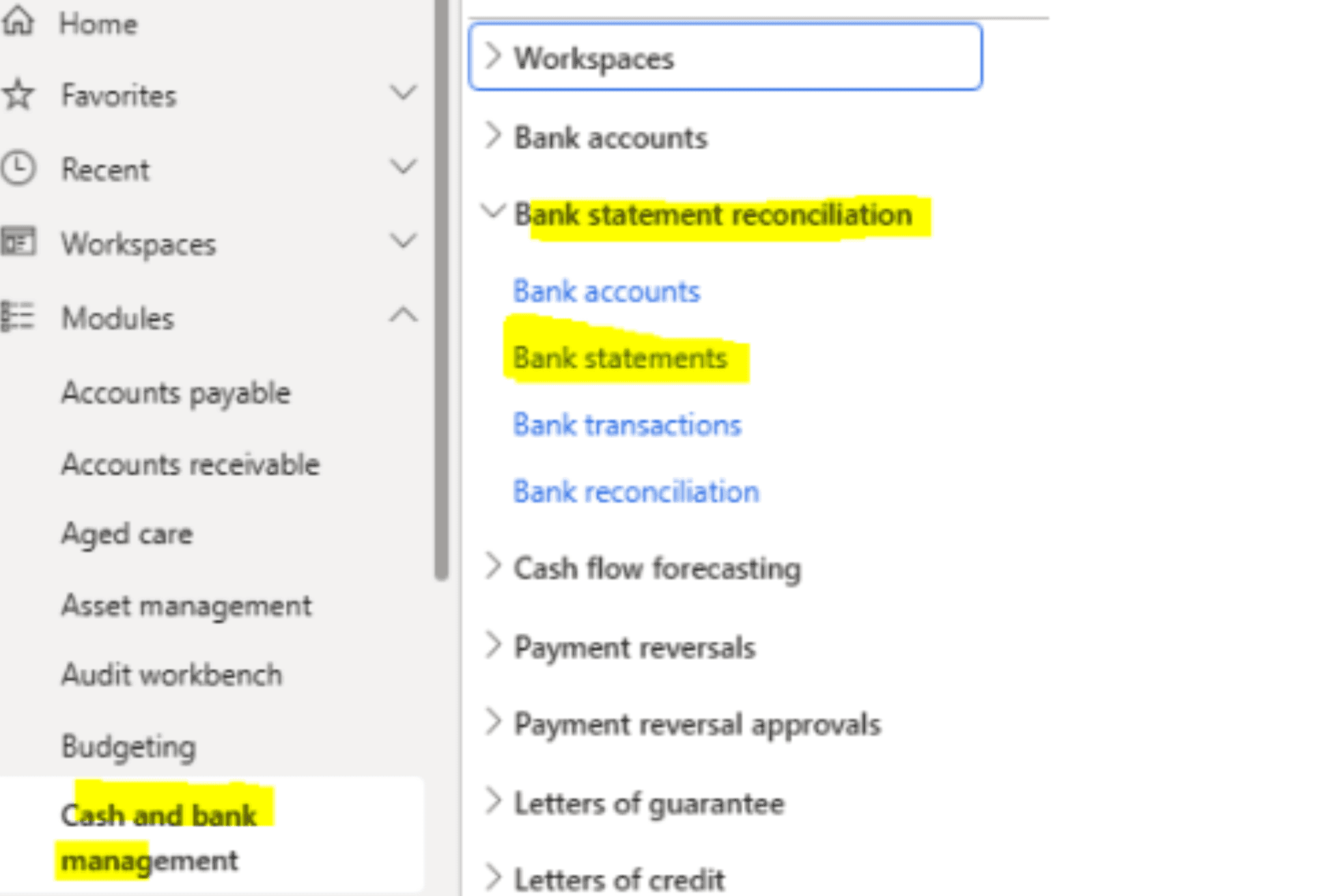
DHRP's current Dynamics 365 Banking Connector will be used to automate bank feeds and bank statements in Dynamics 365 Finance. It also has published functionality for linking accounts and bank reconciliation.
When considering Australian open banking solutions, businesses must evaluate the data, banks that will support them, and the technology they need to integrate. Where the service involves Consumer Data Right-regulated disclosures of data, the applicable CDR requirements should also be taken into account when considering open banking compliance in Australia.
Open Banking - DHRP
Open banking data sharing can enable businesses to minimise manual handling of financial information and use the data as allowed by the laws and regulations. Depending on the integration and available data/business requirements, the benefits will vary.
When the integration provides automated banking information retrieval, with API-based access, this can help minimise the need to download and transfer banking data manually.
Through the information they can access via their authorised integration, account and transaction data can be used to review banking activity and complete financial reports.
Where the connected application offers the functions, banking data can be used in banking processes like transaction imports, accounting and reconciliation.
APIs can be standardised to enable compatible apps to share authorised banking data without having to handle it multiple times on supported platforms.
Open Banking - DHRP
Australian open banking solutions involve using APIs and authorised data-sharing agreements to provide access to banking data that is authorised for specified use to compatible applications. The Consumer Data Right (CDR) Australia system requires customers to go through the appropriate authorisation procedure before their customer can access covered data by an eligible organisation.
Find a provider or integration to accommodate the banks, data types and applications you need. Verify its technical features and possible access options.
The customer complies with the applicable consent and authentication procedures. This helps to ensure that data is being shared only as per the permissions and conditions.
The authorised application queries for the data within the customer's permissions. The data available will vary based on the bank, provider and API and applicable framework requirements.
Depending on the functionality of the application and the available information, retrieved data can be used to assist in financial reporting and transaction analysis and accounting workflows.
DHRP Services
Open banking data sharing can enable a variety of business activities depending on the type of data available, the customer permissions and the capabilities of the connected application.
Banking information can be used to help with transaction imports, financial record-keeping, and reporting. Specific functions are dependent on the integration and accounting system.
Bank information can be used to compare bank activity with accounting data and detect discrepancies in transactions, if the integration is in place for transaction imports.
Having access to allowed account and transaction details can enable the business to review incoming and outgoing funds and grasp their cash position.
Depending on the information and application capabilities, authorised transaction data can be used for spending analysis, financial insights and income assessment.
DHRP Services
Whether data is accessible for open banking purposes depends on the data, the organisations accessing the data, and the regulatory structure in which open banking falls. If the Consumer Data Right applies, the relevant participants are required to comply with the requirements of the Consumer Data Right regarding consent, access, handling and security of the data.
To ensure that consumer data can be shared in Australia, there must be clear authorisation mechanisms and appropriate protections for personal information. Before implementing an Open Banking service, businesses should evaluate a provider's security measures, data management protocols, and regulatory compliance.
When deciding on a provider, think about:
Know how access is given, controlled and revoked if these are applicable.
Discuss the security of banking data when accessed, transferred, and stored.
Ensure that the provider has the appropriate authorisation or accreditation (where applicable).
Validate access to banking data and its usage.
Know how the service processes personal information pursuant to the applicable laws and requirements.
FAQs
Find answers about banking data access, Dynamics 365 integration and the requirements to consider.
Get in TouchOpen banking in Australia supports consumers to consent to sharing their financial data with certain financial institutions under a data sharing arrangement that has been authorised. Covered Data Sharing is governed by the Consumer Data Right (CDR). Access is subject to the requirements, the data concerned, and the organisations involved.
The Consumer Data Right is an Australian initiative that gives consumers the right to choose where certain data is shared, rather than having it shared to everyone. In banking, it refers to specific data that is stored in the participating banks. Access is subject to the relevant consent and eligibility, and regulatory requirements.
Consent, access and data handling are all part of the requirements with regard to Open Banking under the CDR framework in Australia. But security also relies on the organisations and systems in play. Prior to sharing financial information, companies should check a provider's security measures, privacy policies and related regulatory compliance.
Requirements vary depending on the service, the nature of the data and the organisations concerned. If applicable, relevant participants need to fulfil applicable requirements for consent, access to data, security and privacy. It is important for businesses to confirm the status and responsibilities of a provider instead of assuming that all banking APIs are CDRs.
Authorised banking information can be utilised by businesses for accounting, transaction analysis, financial reporting, cash flow visibility and reconciliation. The functions available are dependent on the data source and application. Before these advantages can be realised, an integration must support the necessary data and use case.
We'd love to hear from you. Please fill out this form.